











Sushi Franchise Cost in Canada: Inside the Sushi Shop Investment
Franchise Financing Essentials | Oct 22, 2026
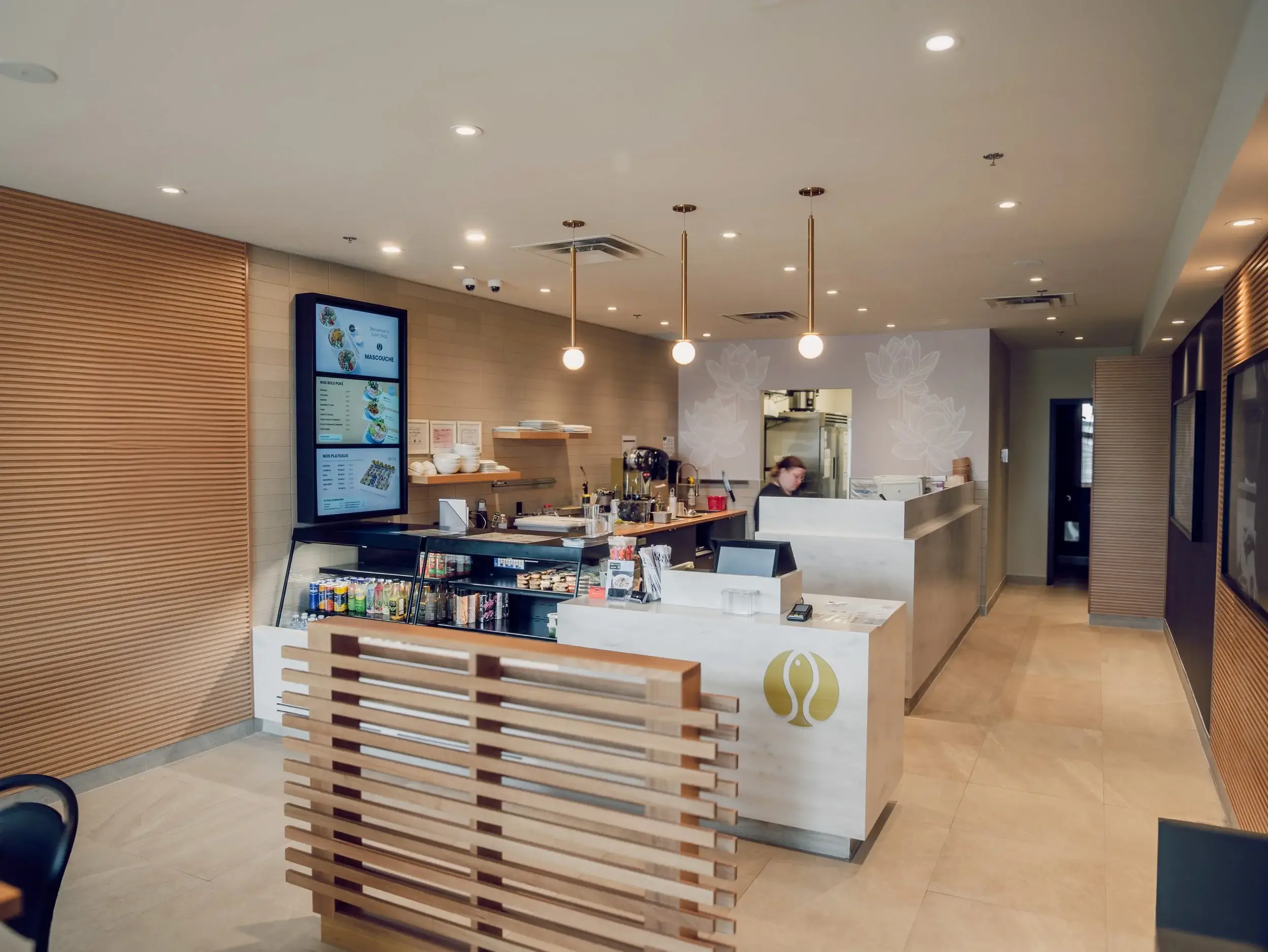
In 2000, a single boutique opened at Montreal’s Atwater Market, back when sushi was still an emerging trend in Canada. Today the brand has more than 170 locations across the country.
For a Sushi Shop franchise, the initial investment runs approximately $300,000 to $450,000. Initial franchisee fee is $35,000.
Here’s a closer look at what the investment covers, what’s included in the Sushi Shop franchise model, and what you would otherwise need to build independently.
Sushi Franchise Cost at a Glance
Sushi Shop runs two formats, and the footprint is what moves the cost.
| Kiosk | Street | |
| Area | 225–300 sq. ft. | 800 to 1,200 sq. ft. |
| Initial investment (approximate) | $300K–$400K | $400K–$450K |
| Franchise fee | $35,000 | $35,000 |
| Initial term | 10 years | 10 years |
| Royalties | 6% | 6% |
| Marketing fees | 3% | 3% |
| Personal investment | 30% to 35% | 30% to 35% |
Investment ranges are approximate and subject to change. Actual costs may vary. This is not an offer to sell a franchise. Any offer to sell a franchise can only be made through a Franchise Disclosure Document (FDD) in compliance with applicable provincial legislation.
What the Sushi Shop Investment Covers
The initial investment includes the restaurant build-out, major equipment, leasehold improvements, opening inventory, and other costs required to get the location ready for opening.
Franchisees should have approximately 30% to 35% of the total project investment available in cash. Financing may be available for the remaining portion, subject to the requirements of the applicable financing program and lender. Eligibility will depend on factors such as net worth, available liquidity, credit profile, and the overall strength of the financing application.
Franchise financing in Canada also has specific requirements that can differ from financing an independent restaurant. Our team can help prospective franchisees better understand the process and prepare for discussions with financial institutions.
Opening a Sushi Restaurant Independently Versus Buying a Franchise
Plenty of good sushi restaurants in Canada are independent, and the cost comparison is not the whole comparison. The rest of it is what you would otherwise build from zero.
With Sushi Shop, you benefit from an established brand with strong recognition, years of expertise, and a continued focus on innovation. Site selection is supported by a team that uses data-driven insights to identify high-traffic locations and evaluate each opportunity with you.
Training is part of the franchise package, while the brand team supports you with an established loyalty program, marketing initiatives, promotions, and ongoing innovation to keep the concept relevant and competitive.
An independent operator does all of that personally, usually while learning a category where food safety and freshness leave very little room for a learning curve. That is the real trade, and it is worth weighing honestly before you decide how to become a franchise owner.
Everything the franchise package includes is listed on the Sushi Shop franchise page, format by format.
Why the Sushi Shop Model Fits Two Very Different Locations

The same brand operates in a 220 to 300 sq. ft. kiosk and in an 800 to 1,200 sq. ft. street boutique. That range is the point: it lets the concept follow demand into a mall food court or onto a commercial street without being redesigned each time.
The menu carries both formats. À la carte sushi, freshly made combos, vibrant poke bowls, and signature creations like the Sushi Burrito and the Blossom Collection, all prepared in store by chefs. The customer base runs roughly 18 to 64, from students to families, which is a wide enough base to support either footprint.
The Loyalty Program Does Part of the Selling
Guests earn 10 points for every dollar, in restaurant, on take-out, and online, with a welcome offer and a birthday offer, all tracked and redeemed from their phone.
It is built to bring people back more often, to nudge the extra roll into the order, and to show a franchisee what their own guests actually order most. Setup, marketing, and promotions are run by the brand team, not by you.
The Sushi Shop Brand Story: From Atwater Market to 170+ Locations
That first boutique at the Atwater Market opened when sushi was still emerging in Canada rather than sitting in every food court. Twenty-six years later the brand describes itself as one of Canada’s fastest-growing brands, with more than 170 locations nationwide.
Sushi Shop has remained true to its Japanese fusion roots while continuing to evolve through innovation, new menu offerings, and changing consumer preferences. Its growth has been built around a recognizable and well-defined concept, giving franchisees the strength of an established brand while continuing to keep the customer experience fresh and relevant.
What a Sushi Shop Franchisee Says About the Support
Thai, who runs the Sushi Shop in Boucherville, describes support that shows up in the unglamorous places: construction plans, permits, conformity follow-ups.
“Definitely, the Sushi Shop team wants to see us succeed, and is always there to help us achieve our goals.”
Thai, franchisee, Sushi Shop Boucherville
That is also what being part of MTY Group buys, alongside more than 80 brands worth of operating experience across fast casual, QSR, and casual dining.
Own a Sushi Shop Franchise
A franchise fee is about much more than the right to use a brand name. It gives you access to an established concept, proven systems, operational expertise, training, brand recognition, and ongoing support providing a foundation that would take significant time and investment to build independently.
If the numbers above fit your plan, the Sushi Shop franchise page covers both formats, the full investment picture, and the support model. The inquiry form there connects you with the franchise development team for your region, who will walk you through the next steps before anything is signed.
Related articles
How Much Does a Manchu WOK Franchise Cost? Fees and Investment Guide

Franchise Webinar: Discover Your Franchise Fit with MTY Group