




































Tex-Mex and Mexican Food Franchise Investment: Market Analysis and Brand Options
Franchise Financing Essentials | Mar 24, 2026
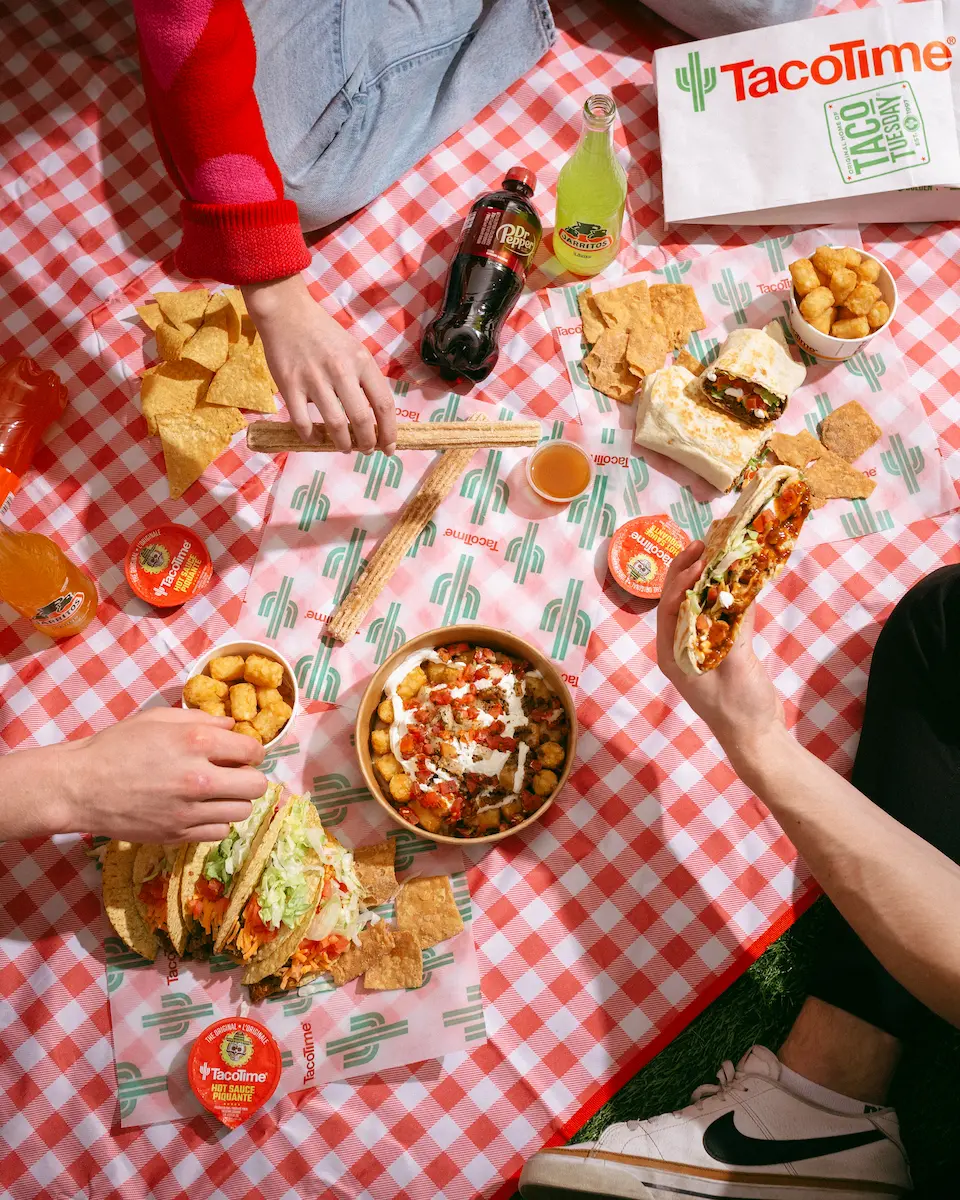
The appetite for Tex-Mex and Mexican cuisine continues to grow across Canada, making it one of the most dynamic segments in the quick-service restaurant industry.
For entrepreneurs evaluating franchise opportunities, understanding the market landscape and available brand options is an essential first step.
This article provides a data-driven overview of the Tex-Mex and Mexican food franchise sector in Canada, along with insights into established brands and related cuisine categories within the MTY Group portfolio.
The Tex-Mex and Mexican Food Market in Canada: Growth by the Numbers
Tex-Mex and Mexican cuisine are established as the dominant segment within Canada’s ethnic food market. According to Grand View Research, Mexican food accounts for 47.95% of the ethnic food category revenue in Canada, making it the largest segment by a significant margin. The same report projects that the ethnic food market in Canada will grow at a compound annual growth rate of 8.1% through 2030, with Tex-Mex &Mexican cuisine leading that expansion.
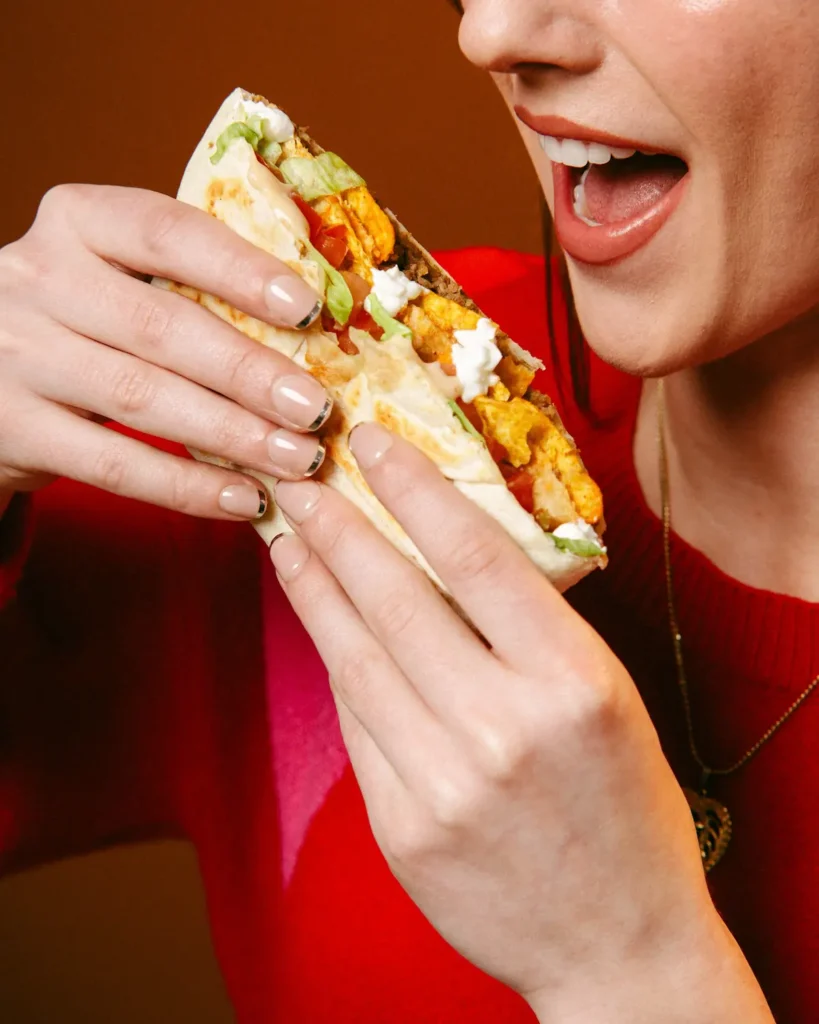
Globally, the ethnic food market is valued at approximately 7.5% CAGR, with the Mexican segment projected as one of the fastest-growing cuisine types, according to Towards FNB market research.
For context, Chinese cuisine currently leads globally with approximately 18% market share, as reported by Mordor Intelligence, but Mexican food is gaining ground rapidly in North American markets.
Canada represents 3.4% of the global ethnic food market, and the country’s multicultural population continues to drive demand for diverse, flavourful dining options.
Consumer Preferences Driving Mexican and Tex-Mex Restaurant Franchise Demand
Fresh Ingredients and Customization
The demand for authentic flavours extends beyond main dishes. According to Agriculture Canada’s sector trend analysis, sauces, dips, and condiments inspired by Mexican cuisine continue to gain traction among Canadian consumers.
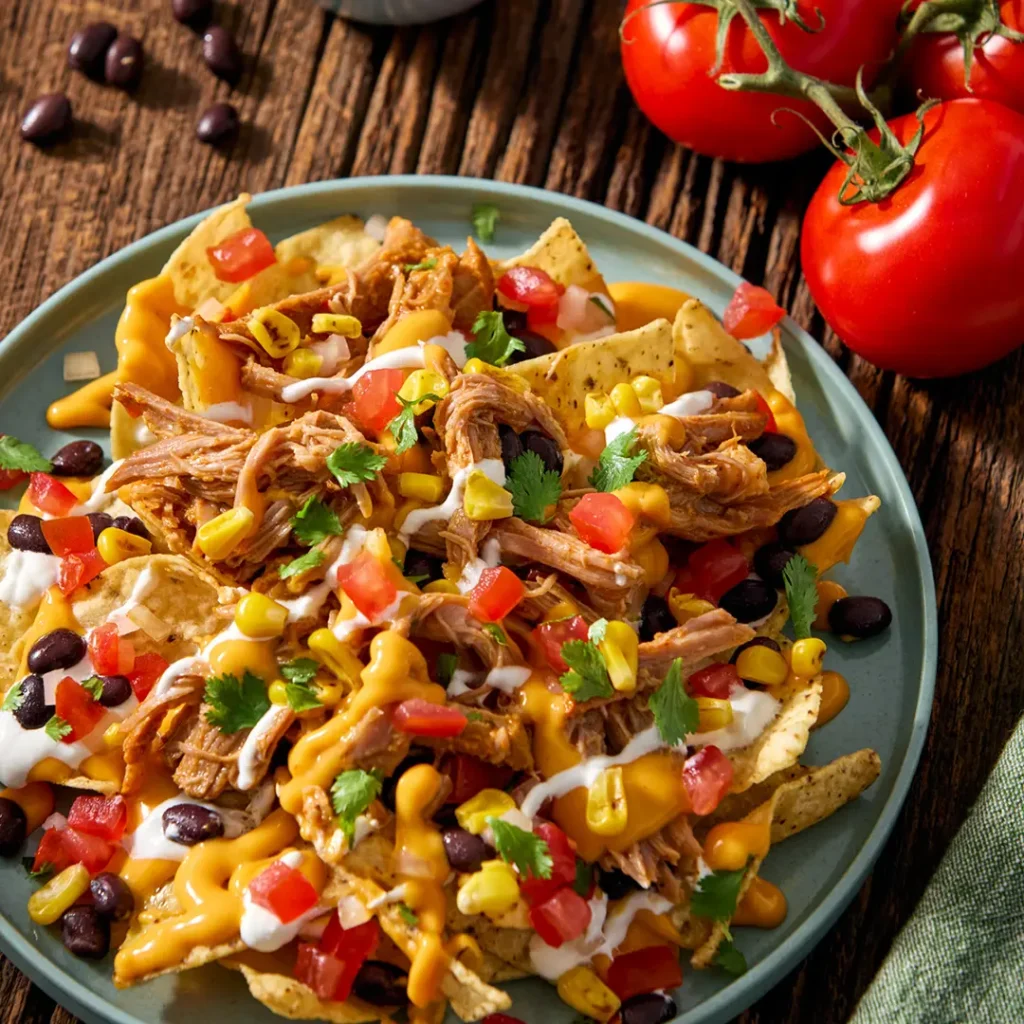
Today’s consumers increasingly expect transparency in how their food is prepared. The appeal of Mexican cuisine lies partly in its emphasis on fresh, visible preparation. Concepts that feature made-to-order meals, house-made salsas, and customizable formats resonate with diners who want to see and control what goes into their food.
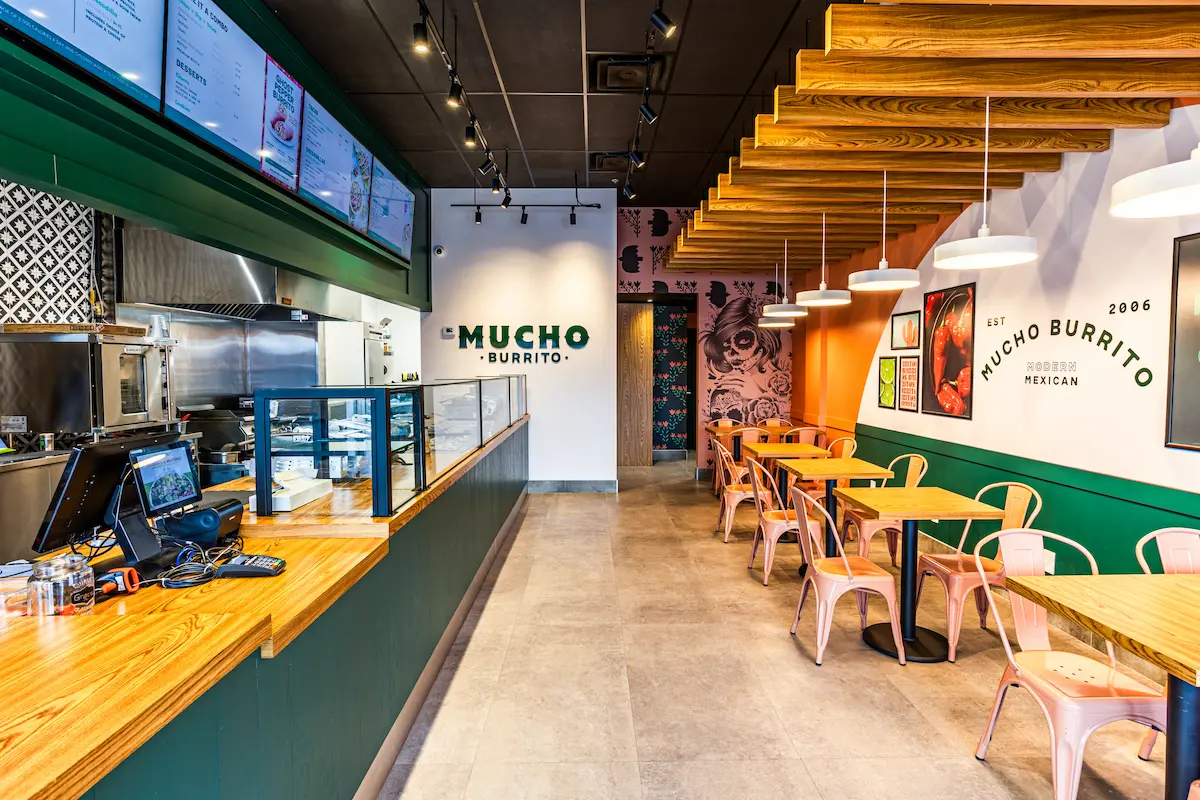
The “Made-in-Casa” approach, where toppings and ingredients are prepared fresh in-house daily, addresses this consumer expectation directly. Mucho Burrito built its concept around this philosophy, allowing guests to personalize burritos, bowls, and tacos for a more engaging dining experience.
This aligns with broader fast-casual trends, where customers are willing to pay a premium for quality ingredients and customization options that traditional quick-service formats may not offer.
Demographic Trends Shaping Demand

Millennials and Gen Z consumers are driving much of the demand for diverse, flavourful cuisines. These demographics seek dining experiences that are both satisfying and shareable on social media. Mexican and Tex-Mex cuisine, with its vibrant colours and bold presentations, fits naturally into this trend.
Health-conscious eating is another factor. Many Mexican and Tex-Mex food concepts now offer vegetarian, vegan, and plant-based options to accommodate evolving dietary preferences. TacoTime Canada, for example, has expanded its menu to include vegetarian choices, ensuring the brand remains relevant to a broad customer base.
The convenience factor also plays a role. Quick-service and fast-casual Mexican and Tex-Mex formats align well with busy consumer lifestyles, offering flavourful meals without lengthy wait times.
Evaluating Mexican and Tex-Mex Food Franchise Opportunities: Key Considerations
Brand Recognition and Market Presence
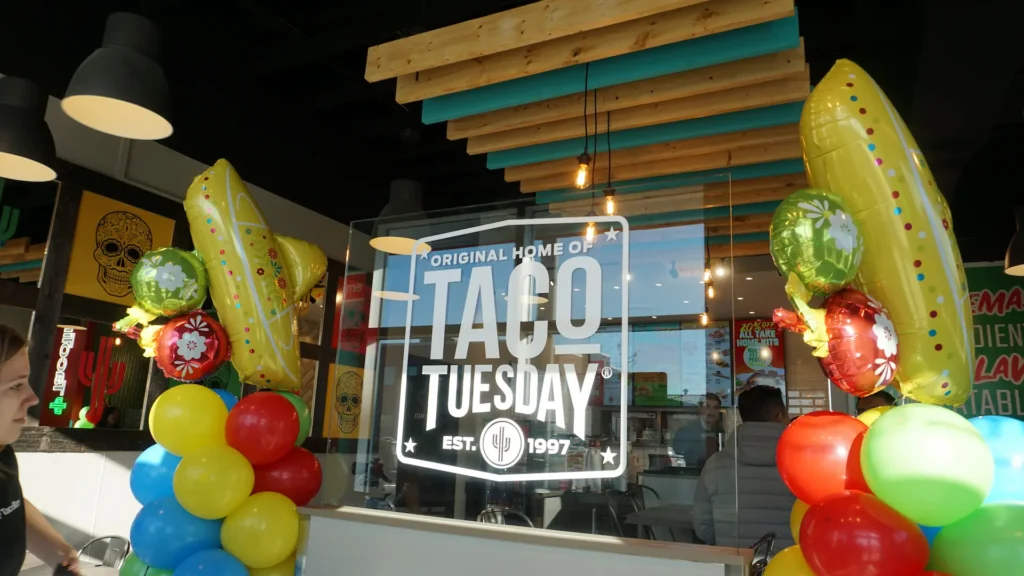
When evaluating franchise opportunities, brand recognition matters. Established brands with a proven track record can reduce the marketing burden for new franchisees, as consumers already have familiarity and trust with the concept.
Key indicators to assess include the number of operating locations, geographic footprint, and years in continuous operation. A brand that has maintained market presence over decades demonstrates operational stability and sustained consumer demand.
Training, Support, and Operational Systems
Comprehensive training programs are essential for franchisee success. Look for systems that offer classroom instruction, hands-on preparation training, and in-restaurant experience before opening.
Ongoing support is equally important. Regular field visits, business coaching, and access to marketing infrastructure help franchisees navigate challenges after the initial launch period. Collective purchasing programs can also provide cost advantages by leveraging the buying power of the broader franchise network.
Location Strategy and Real Estate Guidance
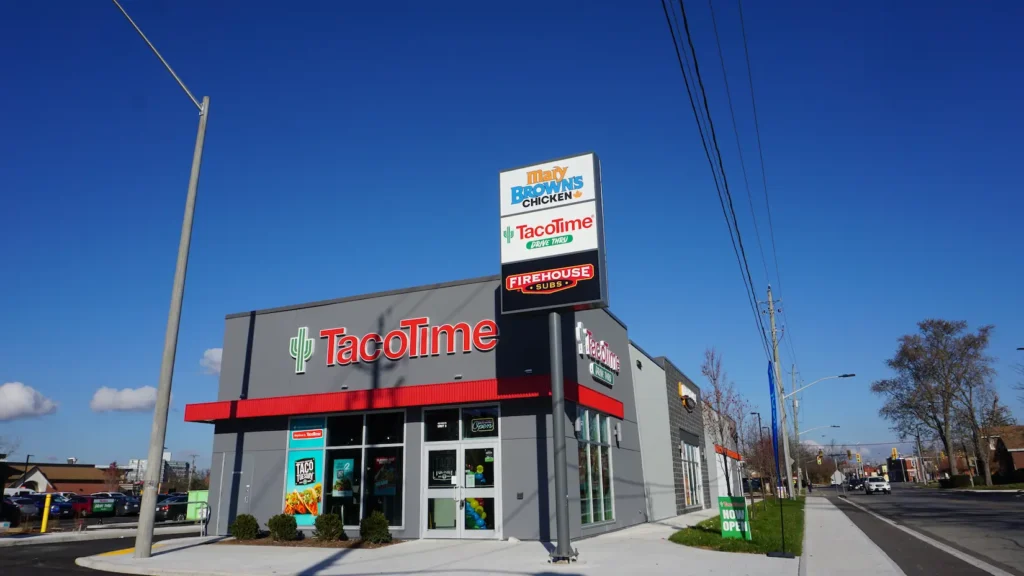
Site selection significantly impacts restaurant performance. Franchise systems that offer real estate support, including site evaluation, lease negotiation assistance, and format flexibility, provide valuable resources for new operators.
Different formats suit different markets. Some concepts operate effectively in mall food courts, while others thrive as freestanding street locations or drive-thru units. Understanding which format aligns with your target market is a critical part of the evaluation process.
Tex-Mex and Mexican Brands: MTY Group Portfolio
MTY Group operates established Tex-Mex and Mexican food franchise concepts across Canada, each with distinct positioning and operational formats.
Mucho Burrito: Fresh Mexican Grill Since 2006
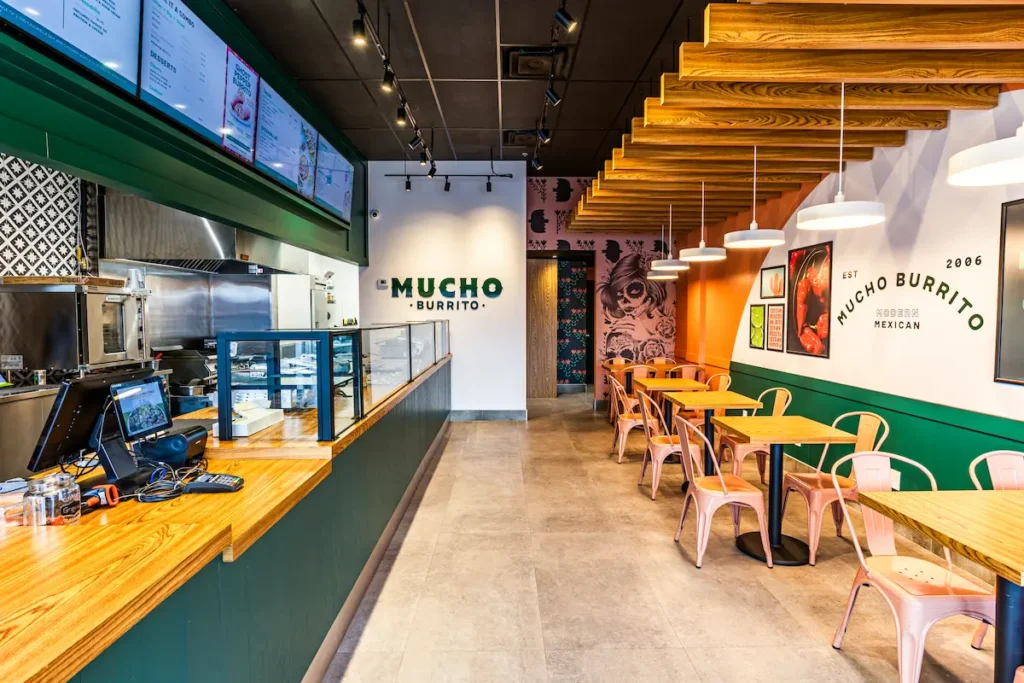
Mucho Burrito has built its reputation on contemporary Mexican cuisine with an emphasis on fresh, made-to-order preparation. Since opening its first location in 2006, the brand has expanded to over 140 locations across North America.
The concept centres on the “Made-in-Casa” philosophy, where salsas, guacamole, and toppings are prepared fresh daily. The menu features hand-rolled burritos, tacos, quesadillas, and bowls, with vegetarian options available.
Restaurant footprints typically range from 1,200 to 1,500 square feet for street locations, while food court units operate in 350 to 500 square feet. Locations are situated in strip malls, shopping centres, universities, airports, and downtown business districts.
Franchisee training is delivered through MTY University (MTY-U), a 1-week online course followed by four weeks of pre-opening instruction plus an on-site field training team during the launch period. Most Mucho Burrito locations require at least one shareholder to be an owner-operator, reflecting the brand’s emphasis on hands-on management.
TacoTime Canada: 45 Years of Quick-Service Tex-Mex
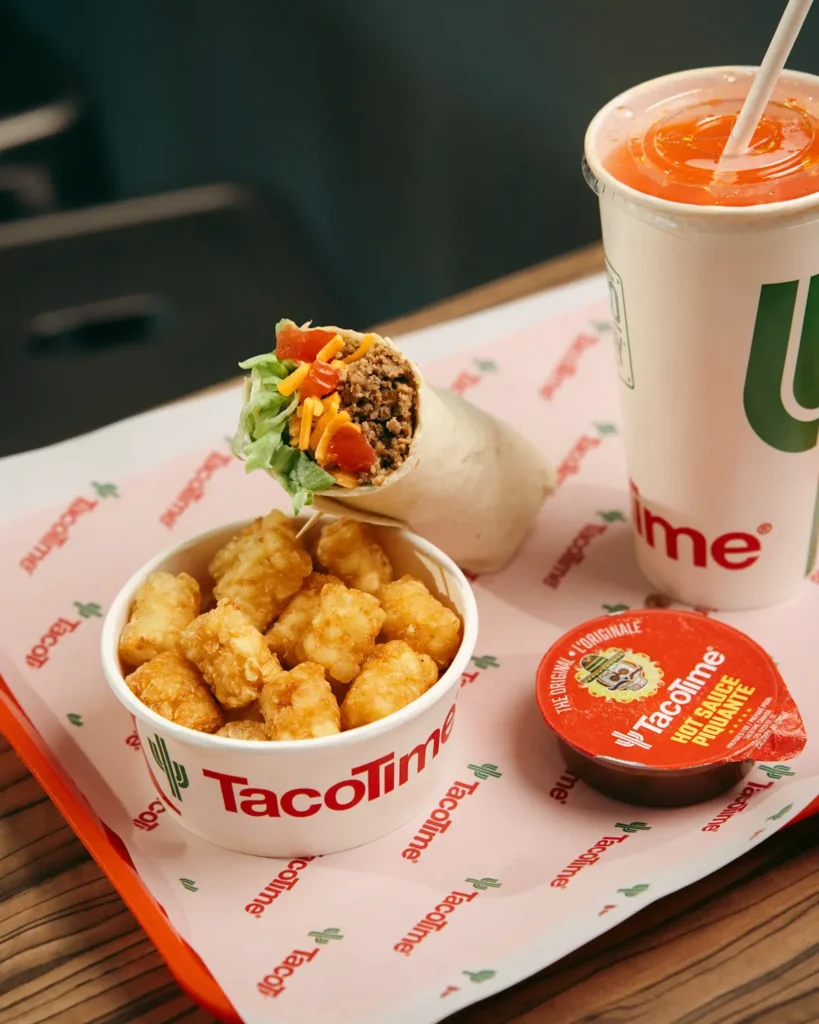
TacoTime Canada has operated in the Canadian market since 1978, building a network of over 125 locations nationwide. The brand is positioned as a quick-service Tex-Mex concept with an emphasis on fresh, hand-prepared ingredients.
Signature menu items include hand-rolled Crisp Burritos, made-daily salsas, and Mexi-Fries. The menu also includes vegetarian options, addressing diverse dietary preferences.
TacoTime operates across multiple formats, including mall food courts, drive-thru locations, and freestanding restaurants. This flexibility allows franchisees to match their investment to available real estate opportunities.
The franchise fee structure includes a 5% royalty and 4% advertising fund contribution. Support includes marketing assistance, business coaching, and product innovation through Limited Time Offers that help drive customer traffic and trial.
At TacoTime, owner-operator presence correlates with food quality and customer service consistency, which is why most locations require hands-on involvement from franchisees.
Investment Considerations for Franchised Tex-Mex and Mexican Food Ventures
Understanding the Financial Commitment
Investment requirements vary based on brand, location type, and market conditions. Food court locations typically require lower initial investment than freestanding street units, which involve more extensive build-out costs.
Prospective franchisees can find specific cost breakdowns, including construction, equipment, signage, initial inventory, and working capital requirements on each brand page: Mucho Burrito and TacoTime.
Owner-Operator Expectations
Most quick-service Tex-Mex and Mexican franchises expect active owner involvement in daily operations. At TacoTime, when an owner is present full-time, the restaurant typically offers better food quality and customer service.
This hands-on approach may not suit investors seeking passive income opportunities. However, for entrepreneurs who want to build a business through direct involvement, the owner-operator model offers greater control over quality and customer experience.
Multi-unit opportunities may be available depending on brand and region, but these typically require demonstrated success with initial locations before expansion.
Timeline from Inquiry to Opening
The entire process from initial inquiry to restaurant opening typically takes between 6 and 12 months for brands like TacoTime. This timeline depends on factors including real estate availability, lease negotiations, permitting, and build-out schedules.
The discovery process generally includes application review, financial qualification assessment, site evaluation, and training completion before doors open.
Other franchise options: Mediterranean and Pizza
For entrepreneurs evaluating multiple cuisine concepts, MTY Group’s includes established brands across several cuisine types, like Mediterranean & Pizza. This portfolio approach allows investors to explore options that align with their market, interests, and investment parameters.
Mediterranean Cuisine Franchises: Authentic Flavours, Growing Demand
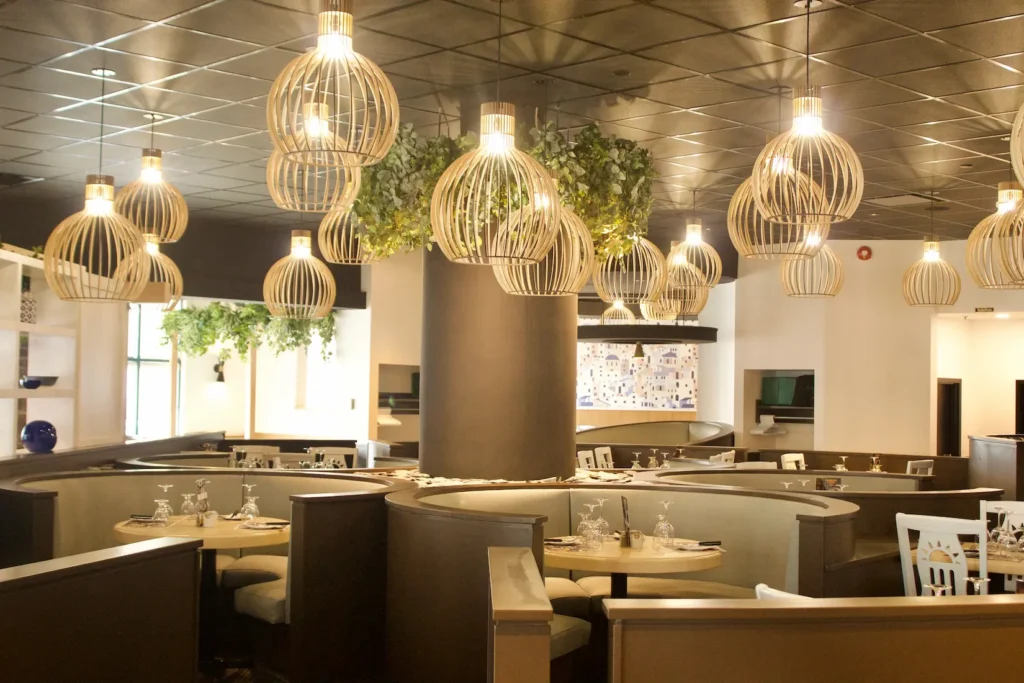
Mediterranean cuisine aligns with current health-conscious dining trends, emphasizing fresh ingredients, plant-based options, and balanced meals.
Villa Madina has served authentic shawarma and Mediterranean cuisine since 2004, expanding to over 30 locations across Canada. The brand is halal-certified and offers vegetarian options, including falafel and Mediterranean salads. Locations operate in shopping centres, power centres, and street formats.
Casa Grecque offers Greek and Mediterranean cuisine in a full-service dining format. The brand emphasizes community involvement and operates the Club Casa loyalty program to build customer retention.
Mr. Souvlaki provides a Mediterranean quick-service format for operators seeking a streamlined concept.
Pizza and Italian Franchises: Established Formats, Loyal Customer Bases
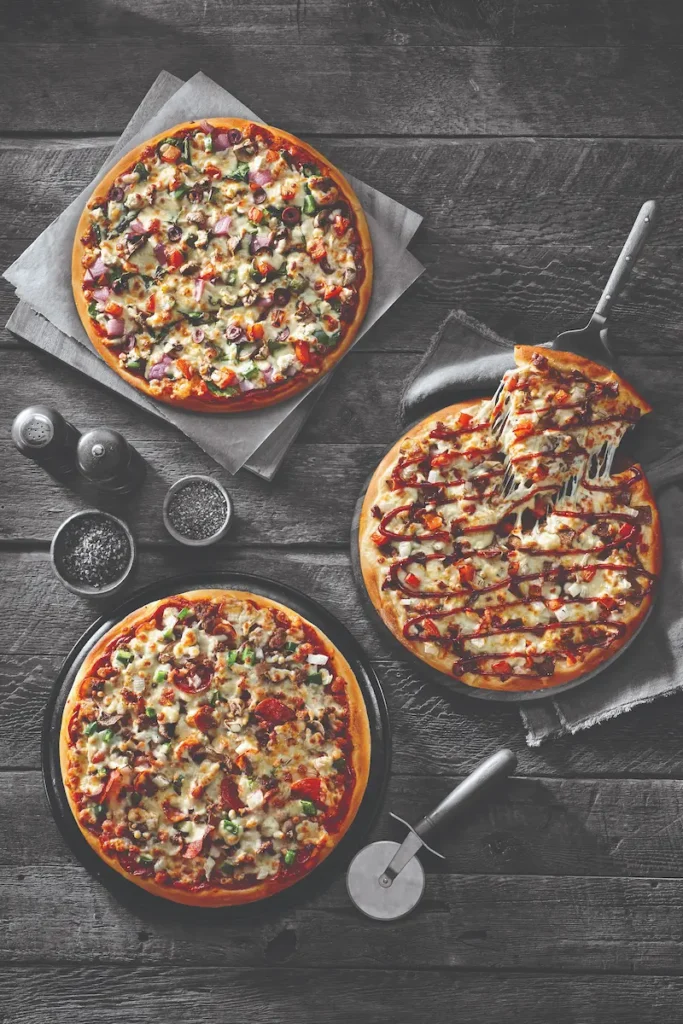
Pizza and Italian concepts benefit from broad consumer familiarity and established demand patterns.
Pizza Delight is an Atlantic Canada heritage brand offering full-service, take-out, and delivery formats. The brand has built strong regional loyalty over decades of operation.
Vanellis has served fresh Italian food for over 30 years, featuring made-to-order pastas and fresh pizzas in a quick-service format.
Toujours Mikes, since 1967, has been an integral part of the daily lives of Quebecers, from generation to generation.
Giorgio Ristorante offers an Italian dining experience for operators interested in full-service formats.
The MTY Group Franchise Support Framework
MTY Group provides centralized support systems across its brand portfolio. Understanding these resources helps prospective franchisees evaluate the partnership.
MTY University (MTY-U) delivers comprehensive training covering operations, marketing, and food preparation. Programs combine classroom instruction with hands-on experience in operating locations.
Field Support includes regular in-restaurant evaluations, business coaching, and compliance guidance. At Mucho Burrito, Field Representatives perform frequent visits to restaurants to make suggestions, analyze business performance, maintain system compliance, answer questions, and obtain feedback.
Purchasing Programs leverage collective buying power to secure competitive pricing from approved suppliers. At Villa Madina, the collective purchasing program helps ensure food costs are controlled, leading to cost savings for franchisees.
Marketing Infrastructure includes national campaigns, local store marketing support, and digital tools. Franchisees benefit from brand-level marketing efforts while receiving guidance on local initiatives.
Product Innovation keeps menus relevant through ongoing development and Limited Time Offers that drive customer interest and trial.
Frequently Asked Questions About Tex-Mex & Mexican Food Franchises
How large is the Mexican food market in Canada?
Mexican cuisine represents the largest segment of Canada’s ethnic food market, accounting for nearly 48% of category revenue according to Grand View Research. The segment is projected to grow at 8.1% annually through 2030.
What is the typical investment range for a Tex-Mex or Mexican restaurant franchise?
Investment ranges vary by brand, location type, and market. Food court locations generally require lower investment than street units. Specific costs, including build-out, equipment, training, and working capital requirements, are available on each brand page: Mucho Burrito and TacoTime.
Are there franchise opportunities beyond Tex-Mex and Mexican food in this category?
Yes. MTY Group’s “Mexican, Mediterranean & Pizza” category includes brands spanning Mediterranean cuisine (Villa Madina, Casa Grecque, Mr. Souvlaki) and Italian/pizza concepts (Pizza Delight, Papa Murphy’s, Vanellis, Toujours Mikes, Giorgio Ristorante).
Related articles
Own a MR.SUB Franchise: A Trusted Canadian Favourite
Manchu WOK Franchise: Own a Leading Chinese Brand with Global Appeal